Listening to youth voice in sports clubs. Something we all know is important but can oftentimes feel daunting. How do we listen to youth voice? What does this mean for our club? How do we keep this simple?
In recent months, in partnership with England Athletics, our Sport Welfare team has been supporting Bristol and West Athletics Club in exploring what embedding youth voice means for them.
This has started with an introductory CPD session on youth voice to several of their coaches and committee members.
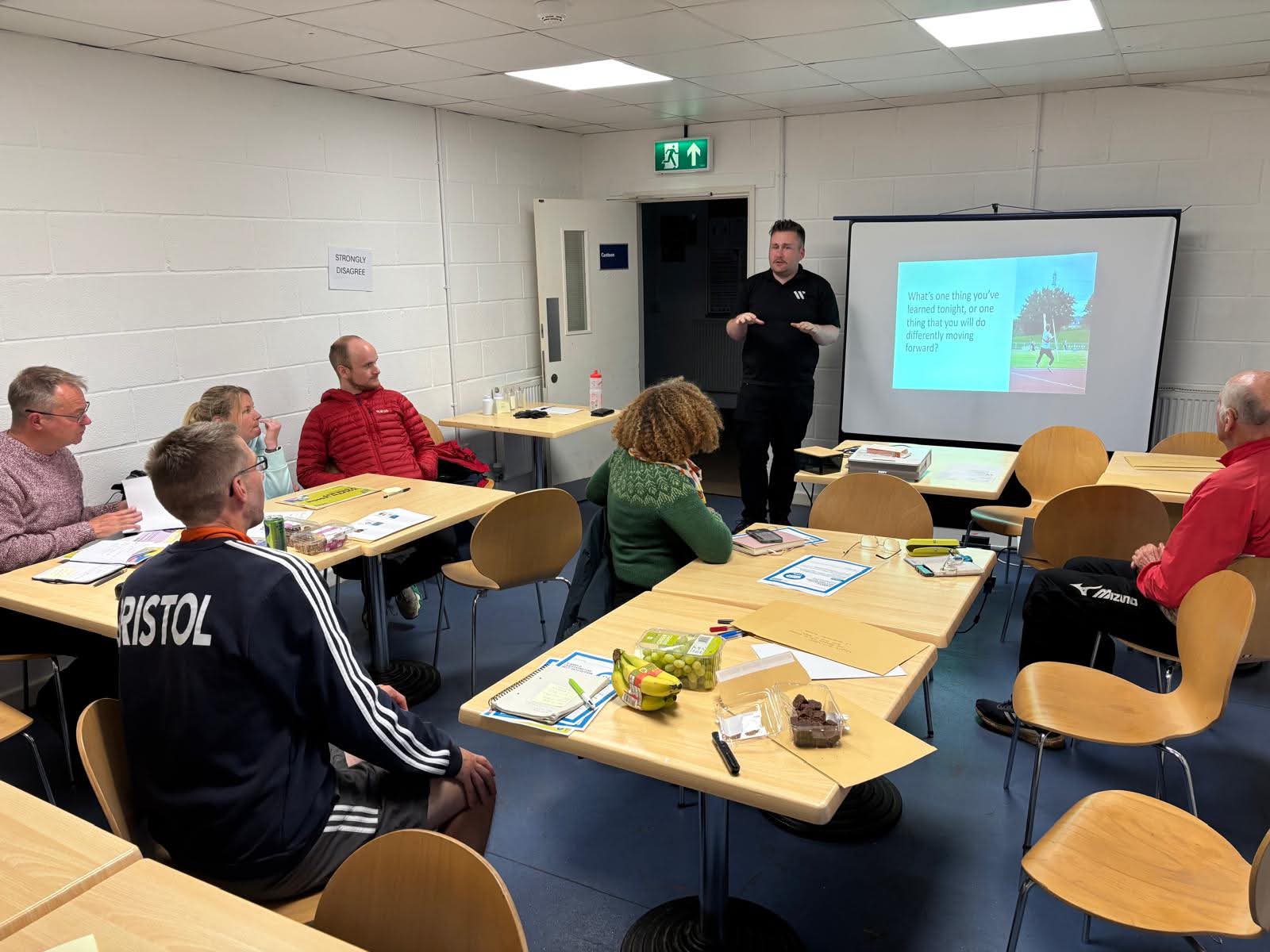
Where the Responsibility Starts: The UNCRC
The session began by exploring the UN Convention on the Rights of the Child. This includes rights that all children have, including Article 12. Article 12 says that children should have their say on all issues that affect them. This includes when they take part in sport.
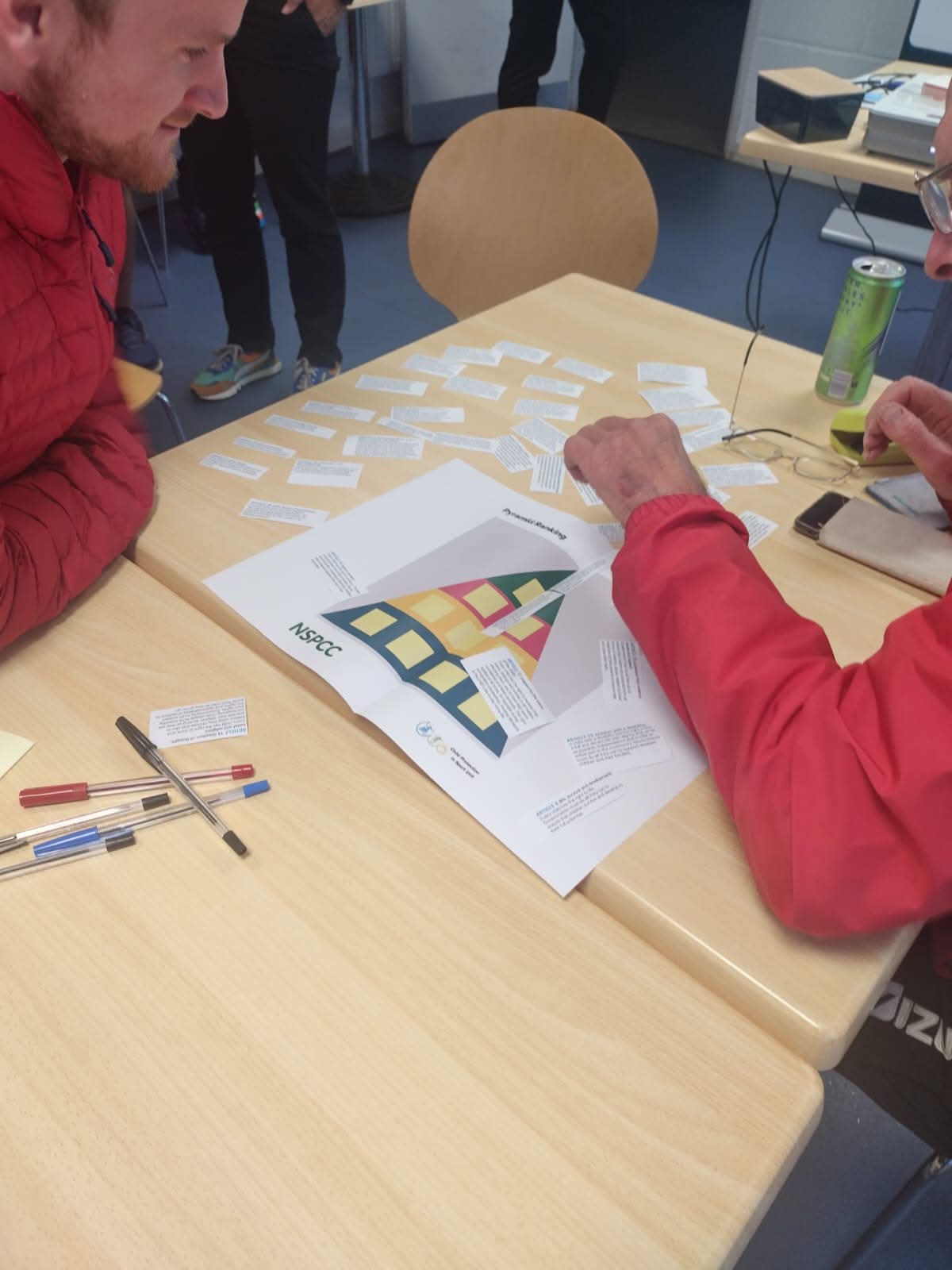
The Benefits: For the Club and the Child
Listening to youth voice isn’t just a “nice-to-have”, or something that you have to do because it's their right. There are real, tangible benefits to your club and the children involved.
For the club:
- Happier children lead to greater retention!
- These children could be the future committee members, coaches, and volunteers of your club. Listening to them helps to invest in your club's future.
- Youth voice helps build safer cultures; ones where everyone feels comfortable in raising concerns and worries.
For the young people:
- It improves their confidence, life skills and communication.
- Helps them to become more independent and creative learners.
- Fosters trust in their relationship with you, so that if anything worries them, they feel confident in telling you.
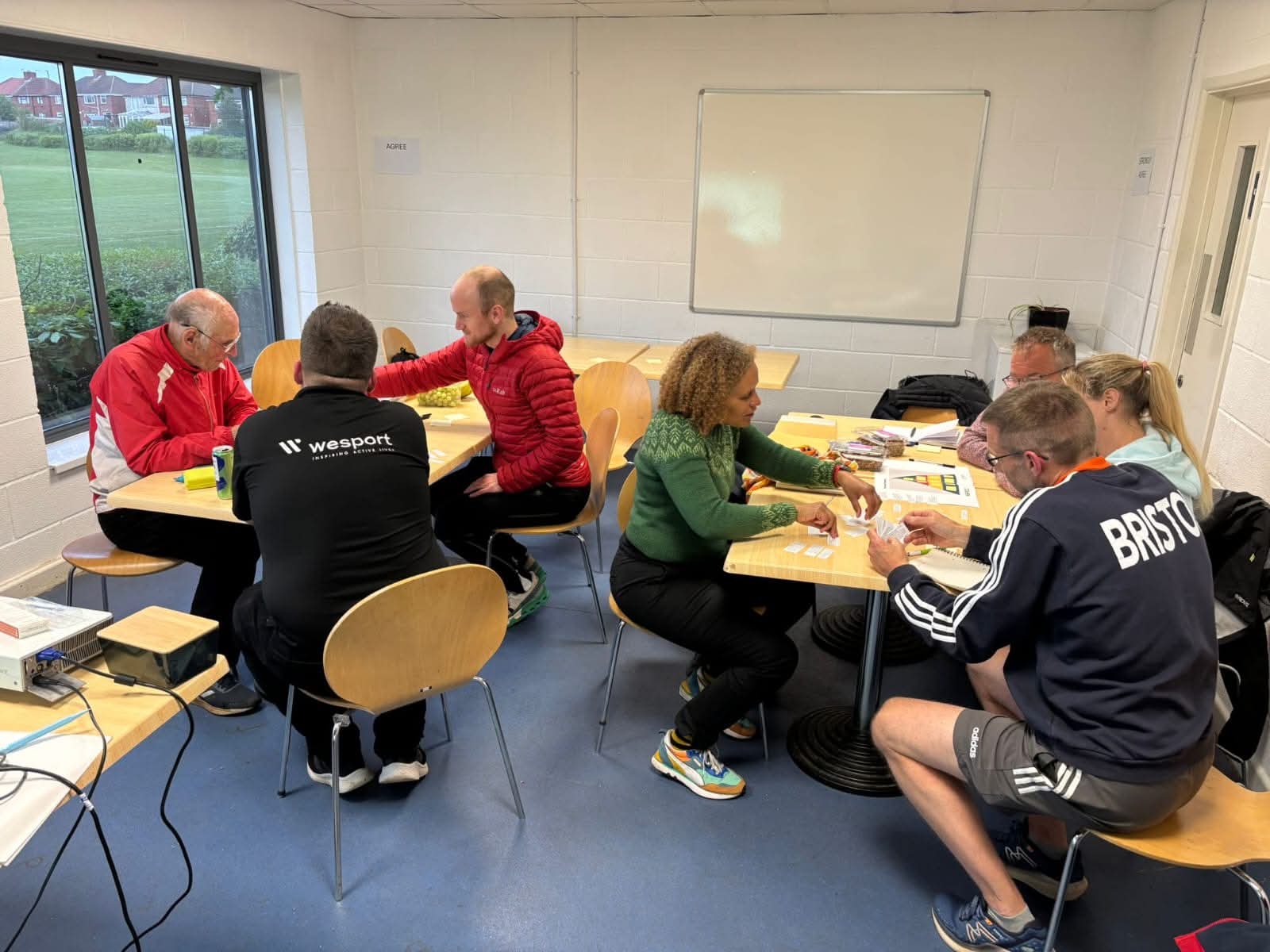
Space, Voice, Influence, Audience: The Lundy Model
A great model for any club that wants to involve more youth voice is the Lundy Model. This separates good practice into four areas, which we explored with Bristol and West Athletics Club.
- Space: How do adults intentionally provide spaces for young people to give their views? This can range from coaches asking questions like “what do you want to work on next?” and “what did you enjoy about that session?” to youth representatives and panels.
- Voice: How are information and opportunities presented to young people in an age-appropriate way? In sports clubs, it might not be appropriate to have a youth rep on your committee if they’re going to be forced to sit through committee meetings that are full of jargon.
- Influence: If a child tells you their views, do you act upon that appropriately? It’s not appropriate for everything that a child might express their views on to be acted upon by an adult. What is important, however, is how you provide feedback to the child on WHY you can’t make that change.
- Audience: How do you, as a club, ensure that when children express their views, the correct people are there to listen? If a child wants to see changes to their training programme, it might not be appropriate for the treasurer to be the one listening to this. Encourage their coach to come over and join the conversation, too!
Want to learn more?
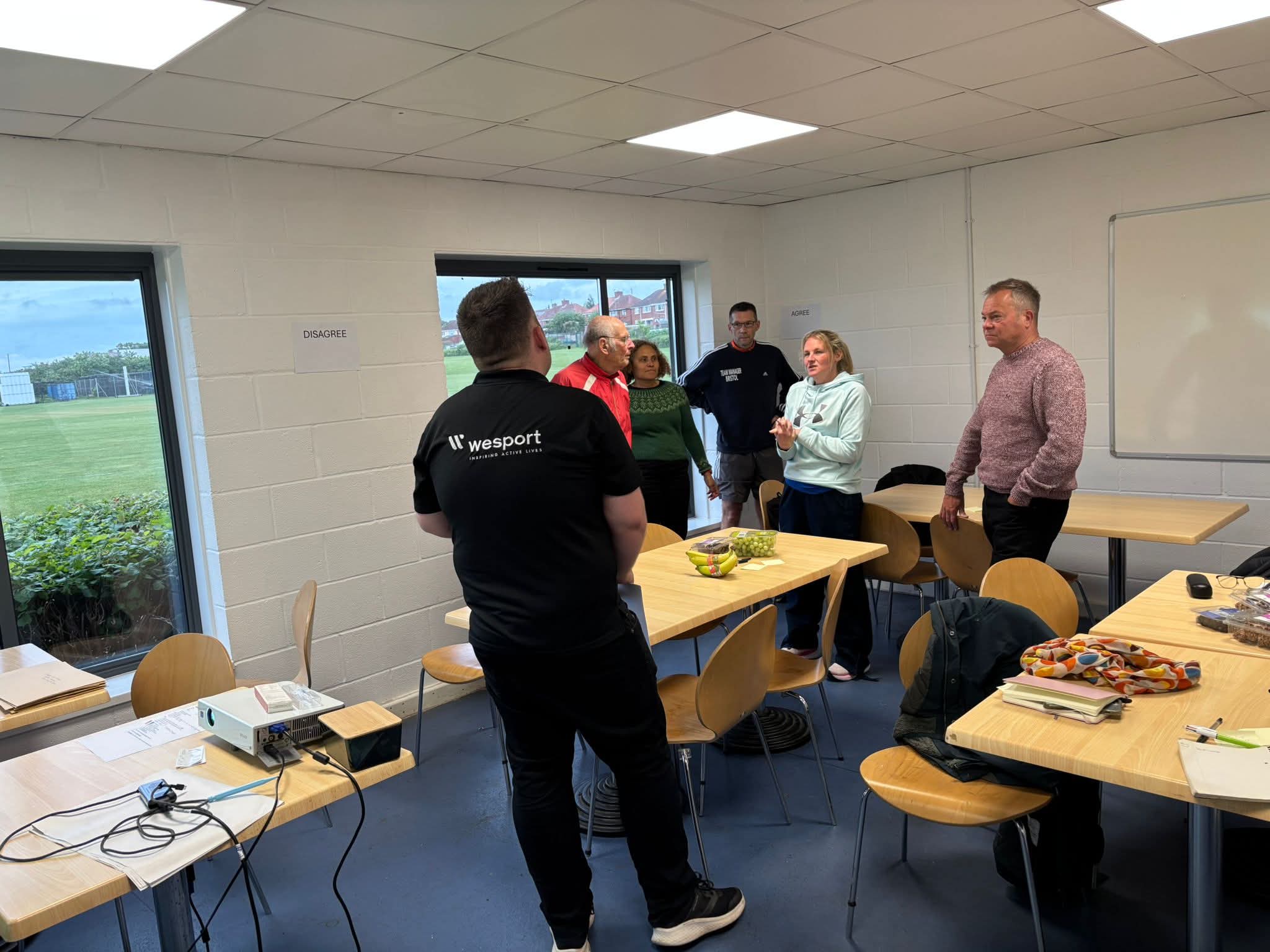
Thank you to Bristol and West Athletics Club and England Athletics for allowing us to run this CPD session with you. It’s amazing to see a club that’s so passionate about promoting youth voice practices in everything they do.
If you are a volunteer at a sports club who wants to see how you can embed youth voice, please contact our Sport Welfare team using the form below for free 1-2-1 support.
Further information on youth voice in sport and coaching, as well as free resources, is available on the Play Their Way website.